
Ford Mustang (1999-2004) Service Manual: Electronic Leak Detection
Special Tool(s)
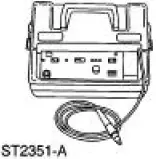 |
H10PM Refrigerant Leak Detector With Battery 216-00001 or equivalent |
CAUTION: Good ventilation is necessary in the area where electronic A/C leak testing is to be carried out. If the surrounding air is contaminated with refrigerant gas, the leak detector will indicate this gas all the time. Odors from other chemicals such as anti-freeze, diesel fuel, disc brake cleaner, or other cleaning solvents can cause the same problem. A fan, even in a wellventilated area, is very helpful in removing small traces of contamination from the air that might affect the leak detector.
1. NOTE: The system pressure should be between 413-551 kPa (60-80 psi) at 24C (75F) with the engine off.
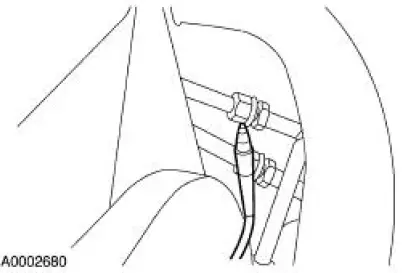
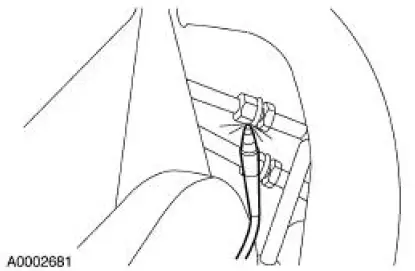
Leak test the refrigerant system using the Refrigerant Leak Detector. Follow the instructions included with the leak detector for handling and operation techniques.
2. If a leak is found, discharge and recover the refrigerant. For additional information, refer to Air Conditioning (A/C) System Recovery, Evacuation and Charging in this section.
- Repair the system.
- Test the system for normal operation.
 Manifold Gauge Set Connection
Special Tool(s)
R-134a Manifold Gauge Set
176-R032A or equivalent
1. Turn both valves on the R-134a Manifold Gauge Set clockwise to close the
low- and highpressure
hoses to the center ...
 Tracer Dye Leak Detection
Special Tool(s)
120 Watt 110 Volt UV Lamp
20C
164-R0721 or equivalent
NOTE: Ford Motor Company vehicles are produced with a permanent leak
tracer dye incorporated into
the A/C syste ...
Other materials:
Inspection and Verification
1. Verify the customer concern is with the evaporative emission (EVAP)
system.
2. Visually inspect for the following obvious signs of mechanical damage.
Visual Inspection Chart
Mechanical
Fuel filler cap
EVAP test port
...
Crash sensors and airbag indicator
WARNING: Modifying or adding equipment to the front end of
your vehicle (including frame, bumper, front end body structure
and tow hooks) may affect the performance of the airbag system,
increasing the risk of injury. Do not modify the front end of your
vehicl ...
Blower Motor
Removal
1. Disconnect the jumper wire.
2. Disconnect the main harness.
3. Remove the screws.
4. Separate the cover from the motor.
5. Separate the motor from the housing.
6. Disconnect the jumper from the motor.
Remove the blower motor.
Installa ...
